
Islamic Studies
Art of War
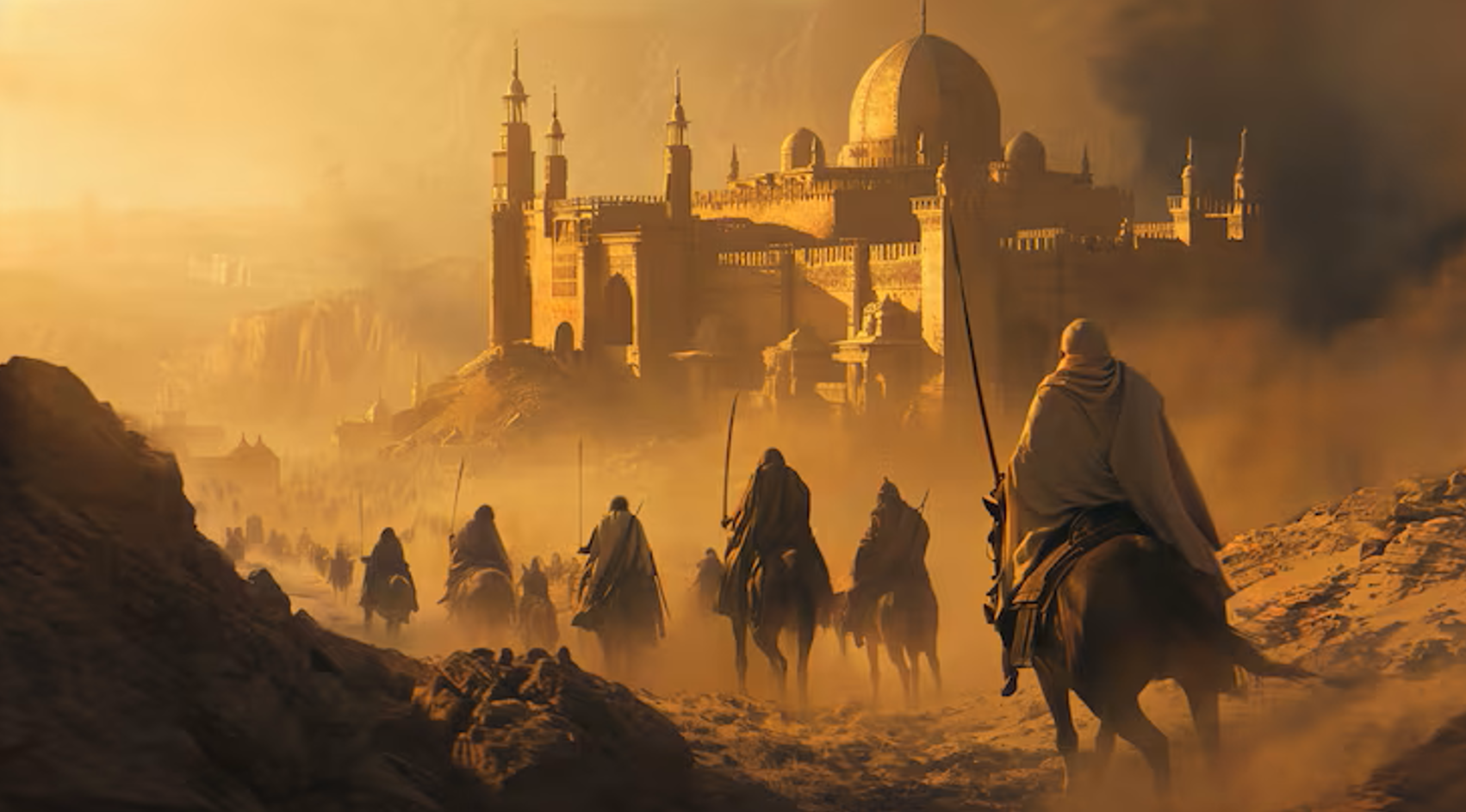
Art of War from the Seerah Perspective The Seerah, or the life of Prophet Muhammad (PBUH), offers a profound study of the art of war embedded within Islamic ethics, diplomacy, and moral guidelines. Far from a straightforward account of battles, the Seerah reveals a nuanced approach to conflict that balances strategy, restraint, compassion, and justice. Here’s an exploration of the art of war from the Seerah’s perspective: 1. Purpose and Justification of War In Islam, warfare is permitted primarily for defense and to protect the rights of individuals to practice their faith freely. The Seerah highlights that war is not an end in itself but a last resort to protect justice and prevent oppression. In this context, battles such as Badr, Uhud, and Khandaq underscore the defensive nature of the conflicts faced by the early Muslim community, emphasizing the protection of their lives, property, and rights. 2. Strategic Planning and Intelligence The Prophet Muhammad (PBUH) demonstrated exemplary strategic insight and planning in warfare, using intelligence, scouting, and situational awareness. For instance, before the Battle of Badr, he gathered critical information about the Quraysh forces and devised a plan that took advantage of the terrain and available resources. Similarly, in the Battle of Khandaq, he accepted the strategy of digging a trench around Medina, an unconventional tactic at the time, which showcased his adaptability and willingness to innovate. 3. Diplomacy and Peaceful Conflict Resolution An essential aspect of the Seerah is the Prophet’s (PBUH) commitment to diplomacy and peaceful negotiations whenever possible. The Treaty of Hudaybiyyah, for example, demonstrated that the Prophet preferred peace and compromise over warfare. This treaty, though seemingly unfavorable to the Muslims initially, ultimately facilitated the peaceful spread of Islam and strengthened the Muslim community. 4. Rules of Engagement and Conduct in War The Seerah outlines specific ethical guidelines for conduct in war, emphasizing that non-combatants, including women, children, the elderly, and religious leaders, must not be harmed. Property, crops, and animals were also to be spared, showing a deep commitment to minimizing harm and preserving the dignity of all life even amidst conflict. In several instances, the Prophet (PBUH) explicitly instructed his soldiers to uphold these principles, exemplifying the concept of just war in Islam. 5. Leadership and Morale The Prophet’s leadership style during times of war was marked by empathy, encouragement, and leading by example. His presence on the battlefield alongside his companions and his attention to their morale fostered unity and strengthened their resolve. In battles like Badr and Uhud, he encouraged his companions to maintain faith, resilience, and trust in divine support, cultivating a sense of purpose that went beyond mere military victory. 6. Forgiveness and Reconciliation Perhaps one of the most remarkable aspects of the Seerah’s approach to warfare is the emphasis on forgiveness and reconciliation. After the conquest of Makkah, where he returned victorious, the Prophet (PBUH) pardoned many of his former adversaries, setting a precedent for mercy over revenge. This act of forgiveness not only secured peace but also won the hearts of many former opponents, showcasing how reconciliation can be more powerful than retaliation. 7. Balancing Justice and Compassion The Seerah demonstrates that the Prophet’s (PBUH) approach to warfare was always balanced with a profound sense of justice and compassion. Justice was a priority, ensuring that tyranny and oppression were opposed firmly. However, compassion was never absent from his decisions, as he prioritized reducing harm wherever possible and welcomed efforts towards peace. This balance highlights a holistic approach to conflict, where the ultimate aim is to restore balance and harmony. Conclusion: The Art of War as an Art of Peace In the Seerah, the art of war is presented not as a pursuit of domination or conquest, but as a means to protect human dignity, foster justice, and establish a peaceful society. By examining these instances through the Seerah, one can understand how the Prophet Muhammad (PBUH) exemplified an approach to war that balanced strength with mercy, strategy with ethics, and justice with forgiveness. His actions and decisions serve as a timeless guide for addressing conflict with a higher moral and ethical responsibility. Through these principles, the Seerah presents a model of warfare that is inherently humanistic, aimed at achieving peace, stability, and justice in a way that respects the dignity and rights of all involved.
